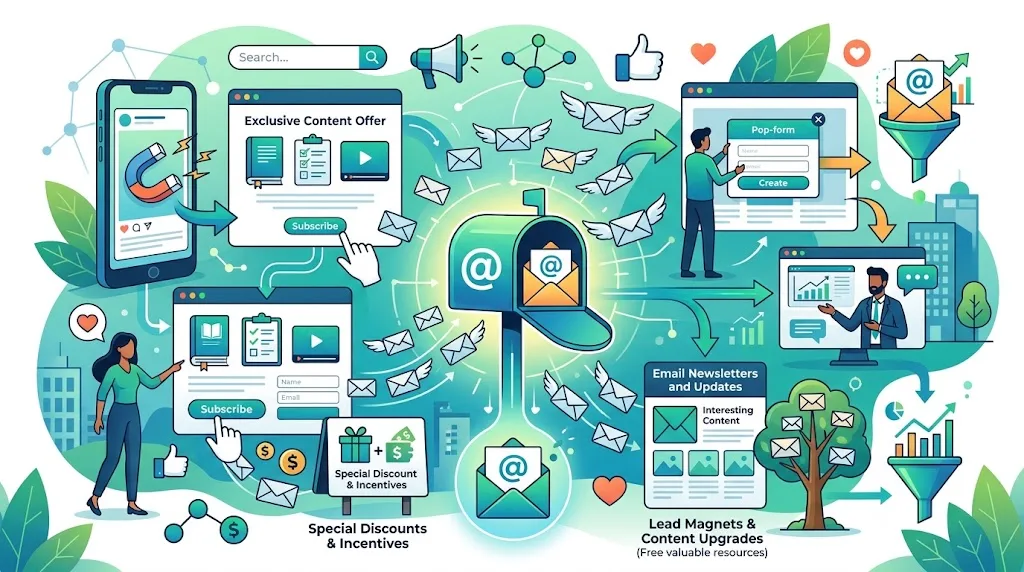
If you're starting from scratch, email list building can feel like one of those tasks that gets pushed to next month, then next quarter. But a small, engaged email list is one of the few marketing channels you fully own. You don't pay for every impression, you're not at the mercy of an algorithm, and you can reach people directly in their inbox. The good news is that email list building doesn't require a big budget or a huge existing audience. It requires a few consistent habits built around the traffic and customers you already have.
This guide covers practical, low-cost ways to start growing a subscriber list using your current website, your foot traffic, and your everyday customer interactions, even if your list today has zero names on it.
Why Email List Building Matters for Small Businesses
Social media reach changes constantly, and paid ads stop working the moment you stop paying. Email is different. Once someone joins your list, you can reach them again and again at almost no cost, whether that's a seasonal promotion, a new service announcement, or a simple reminder that you exist. For small businesses with limited marketing budgets, that repeat access is valuable. It also complements other work you may already be doing, like SEO or local search visibility, by giving you a direct way to bring past visitors back instead of hoping they find you again through search.
Start With What You Already Have
Before chasing new traffic, look at the people and systems already touching your business. Most small businesses are sitting on more opportunities than they realize.
Your Website Visitors
If your site gets any traffic at all, even a handful of visits a day, you have a starting point. Add a simple sign-up form to your homepage, footer, and your most visited blog posts or service pages. Keep the ask small: a name and an email address is enough. Avoid long forms that ask for phone numbers or company details upfront, since every extra field reduces how many people finish signing up.
Existing Customers
Check your invoicing system, point-of-sale platform, appointment scheduler, or even your email inbox. Many small businesses already have customer emails scattered across these tools but have never organized them into one list. Export what you can, remove duplicates, and import the list into a basic email platform. Just make sure these are people who've actually done business with you or opted into communication, not a purchased list.
In-Person Interactions
If you have any kind of physical location, counter, or event presence, a simple sign-up sheet or tablet can capture emails from people who are already standing in front of you. A short incentive, such as a discount on their next visit or early access to new products, gives people a reason to write down their email instead of walking past it.
Low-Cost Ways to Capture New Email Subscribers
Once you've tapped your existing contacts, the next step in email list building is creating simple, ongoing ways for new people to join.
- Lead magnets: A short checklist, guide, or discount code offered in exchange for an email address. It doesn't need to be elaborate, it just needs to solve one small problem for your visitor.
- Exit-intent or timed pop-ups: Many basic website plugins and email platforms offer free or low-cost pop-up tools that appear after a visitor has spent some time on a page, rather than immediately on arrival, which tends to feel less intrusive.
- Checkout or booking confirmation: Add an optional email opt-in during checkout or appointment booking, separate from required fields, so customers can choose to join your list without feeling forced.
- Social media bio links: Use the link in your Instagram, Facebook, or LinkedIn bio to point directly to a sign-up page instead of just your homepage.
- QR codes: Print a QR code on receipts, packaging, table tents, or business cards that leads straight to a mobile-friendly sign-up form.
Turn Everyday Interactions Into Sign-Ups
Email list building works best when it's woven into things you're already doing, rather than treated as a separate project.
Receipts and Follow-Up Messages
If you send receipts, order confirmations, or thank-you texts after a purchase, include a short line inviting customers to join your email list for updates or future discounts. This reaches people at a moment when they're already engaged with your business.
Local Events and Partnerships
Community events, pop-ups, or partnerships with other local businesses are a natural place to collect emails in person. Bring a simple sign-up sheet or a tablet with a form ready to go, and be clear about what subscribers will actually receive.
Reviews and Referral Requests
When you ask a happy customer for a review, that's also a good moment to ask if they'd like to stay in touch by email. People who are already willing to vouch for you publicly are usually open to hearing from you again.
Keep Subscribers Engaged So They Don't Unsubscribe
Growing a list is only half the work. If new subscribers never hear from you, or hear from you too often with irrelevant content, they'll unsubscribe just as quickly as they joined. A short welcome message shortly after sign-up, followed by occasional, useful updates, helps keep the relationship alive. Focus on what matters to the subscriber: tips, local offers, updates on services, or things related to why they signed up in the first place, rather than purely promotional messages every time.
A Simple Weekly Checklist to Build Your List
- Add or review a sign-up form on your homepage and top pages
- Export any customer emails sitting in other tools (POS, booking, invoicing)
- Offer one small incentive for new sign-ups, such as a discount or guide
- Add a QR code or sign-up link to one piece of physical material (receipt, card, flyer)
- Mention your email list once in a social media post or bio
- Send one short, useful email to current subscribers
None of these steps require a big budget or a marketing department. Done consistently, even a few of them each week can turn a list of zero into a steady, owned channel over time.
Bringing It All Together
Email list building doesn't have to start with a perfect strategy or an expensive tool. It starts with paying attention to the traffic, customers, and conversations you already have, and giving people small, low-pressure ways to stay connected with your business. If you'd like help turning your website and customer touchpoints into a consistent list-building system, the team at Best Deal Ever Lucifuge can help you map out a practical plan. Reach out through Best Deal Ever Lucifuge to get started.