Digital Marketing in Las Vegas

Performance-focused campaigns across every channel — maximizing ROI and reaching your ideal customers.

Get Started
Digital marketing team illustration for Las Vegas businesses

The most expensive market in the country to guess in

In Las Vegas you're not only bidding against the business down the street. You're bidding against national advertisers who treat this city as a tourism market and can absorb a cost per click that would bankrupt a local practice.

They can outspend you. They can't out-target you. Knowing that a search from a hotel room and a search from a house in Henderson are two different customers is worth more than a bigger budget.


Most of what gets sold as digital marketing in this city is a bundle of channels bought separately: an SEO retainer here, an ad account there, someone posting on Instagram, and no one able to tell you which of the three produced last month's customers. The channels don't talk to each other, so neither do the numbers.

We run them as one system, and the reason is practical rather than philosophical. Search terms that convert in your ad account are the ones worth writing pages for. Pages that earn organic rankings let you pull budget off those same terms and spend it where organic will never reach. Remarketing only works if the site gave people a reason to come back. Run separately, each channel pays full price for the same lesson.

What that means month to month: one plan, one place where the numbers live, and a report that answers the only question worth asking — what did this produce, and what did it cost to produce it.

Illustration of a digital marketing team working across channels

Measurement

Clicks are easy. Customers are the job.

A campaign can produce thousands of impressions, hundreds of clicks and almost no revenue. Another can send a fraction of the traffic and fill your calendar. The ad platform will happily call the first one a success, because it is measuring itself.

So before a single dollar goes into a campaign, we set up tracking that follows a person from the click to the phone call, the form or the booked appointment. Without it, every optimization after that is guesswork wearing a dashboard.

Illustration of a marketing dashboard showing measurable results

What we report

  • Cost per lead, and per lead that actually closed
  • Customer acquisition cost by channel
  • Phone calls, forms and booked appointments
  • Return on ad spend
  • Conversion rate by landing page
  • Revenue attributed to each channel, where tracking allows
  • What we changed, and whether it worked

What we leave out

  • Impressions with no clicks behind them
  • Average position with no context
  • Reach, likes and follower counts as headline metrics
  • Platform-reported conversions we can't verify
  • Traffic totals with no intent behind them
  • Anything that looks impressive and changes no decision

These aren't fake numbers. They're real numbers that don't tell you whether the phone rang, and they're what most reports are padded with.

What's Included

The channels, and how we use them

Google Ads

Demand that already exists, captured at the moment someone is looking for it. The work is mostly subtraction: negative keywords, tight match types, dayparting, and cutting the terms that spend without converting. In a market this expensive, most accounts we inherit are wasting a third of the budget on searches that were never going to buy.

Local service ads and map ads

For businesses where the customer is nearby and ready, ads inside Google Maps and the local pack often beat standard search ads on cost per lead. They also require the Business Profile to be in order first, which is why this rarely works as a standalone purchase.

Social advertising

Search catches people who are already looking. Social reaches people who aren't yet, which makes it better for demand you have to create than for demand you can harvest. We use it for awareness, for offers with a clear reason to act now, and to stay in front of people who visited and left.

Remarketing

Most people don't convert on the first visit, and in high-consideration categories the gap between first click and decision can run weeks. Remarketing is usually the cheapest line in the account — as long as it's segmented by what the person actually did, not shown to everyone who loaded the homepage.

Landing pages and conversion

Sending paid traffic to a page that doesn't convert is the most expensive mistake in this business, because you pay for the click either way. We fix the destination first: the offer above the fold, one clear action, a form that asks for what you need and nothing else, and load times that survive a phone on hotel Wi-Fi.

SEO alongside paid

Paid buys visibility today and stops the day you stop paying. SEO takes months and then keeps producing. Run together, the ad data tells us which keywords are worth building pages for, and organic rankings let you move budget to searches organic can't reach. Neither replaces the other.

Client Results

Proof from real projects

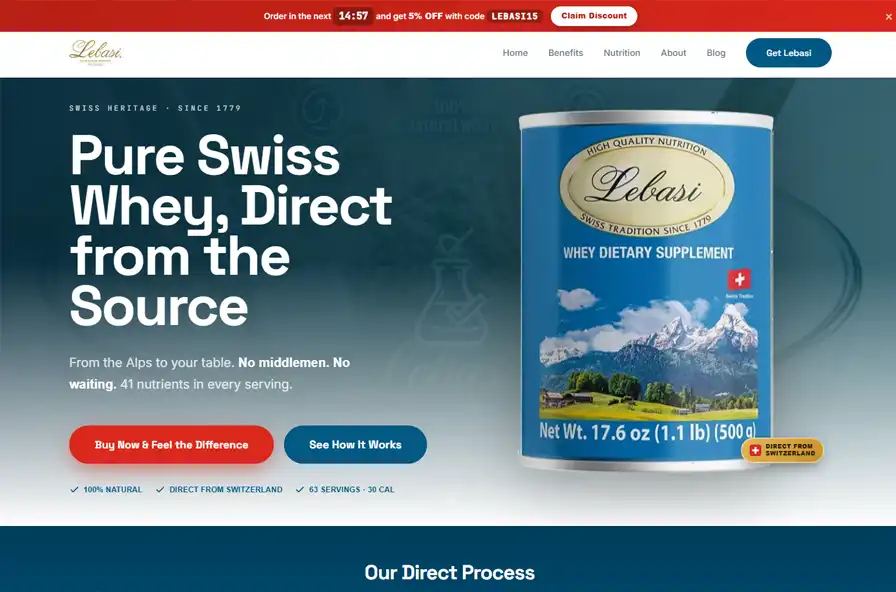
Lebasi Milk — Digital Marketing case study

Supplements

Lebasi Milk

+340%

Signups

2.1s

Load time

Premium Swiss whey brand scaling signups through paid acquisition and landing page optimization.

Visit Lebasi Milk

Questions

What Las Vegas business owners ask us

How much should I budget for ads in Las Vegas?

Work backwards from a closed customer, not forwards from a number that feels comfortable. If a customer is worth $3,000 to you and one in five leads closes, you can afford a meaningful cost per lead and still profit. In competitive Las Vegas categories — legal, medical, home services — clicks can run $15 to $60, so a budget that only buys a handful of clicks a day won't produce enough data to optimize on. We'd rather tell you the floor for your category before you spend than after.

Who owns the ad account and the data?

You do. The Google Ads account, the Meta account, the analytics property and the conversion history are created under your ownership and we're granted access. This matters more than it sounds: agencies that run clients inside their own accounts are holding the performance history hostage, and starting over elsewhere means retraining the algorithms from zero.

How fast will I see results?

Paid campaigns produce traffic the day they launch and useful data in two to four weeks — before that you're reading noise. Expect the first two months to be calibration: finding which audiences and messages convert, and cutting what doesn't. SEO runs on a different clock entirely, with real movement around months two to three and compounding after that.

What if the leads are bad quality?

Then the campaign is failing, and a report full of cheap leads is hiding it. This is why we ask you to mark which leads were real — a quick tag in your CRM or a note back to us. Once we can see which searches produce customers rather than tire-kickers, the budget moves there. Without that feedback we're optimizing toward form fills, which is not the same thing as revenue.

Should I advertise in Spanish as well?

In Las Vegas it's usually one of the cheapest opportunities on the table. Roughly a third of Clark County is Hispanic and far fewer advertisers compete for those searches, so cost per click is often materially lower. The requirement is that the ad, the landing page and whoever answers the phone all work in Spanish. Sending Spanish traffic to an English page just buys expensive bounces.

Do I have to sign a long contract?

No. We work month to month, and everything we build stays in your accounts. That said, judging a paid campaign after three weeks is judging the calibration period — we'd ask for a fair look at the numbers, not a signature.

Other services

Ready to grow with Digital Marketing?

Tell us about your business and we'll send a free audit within 24 hours.

Get a Free Strategy Session